

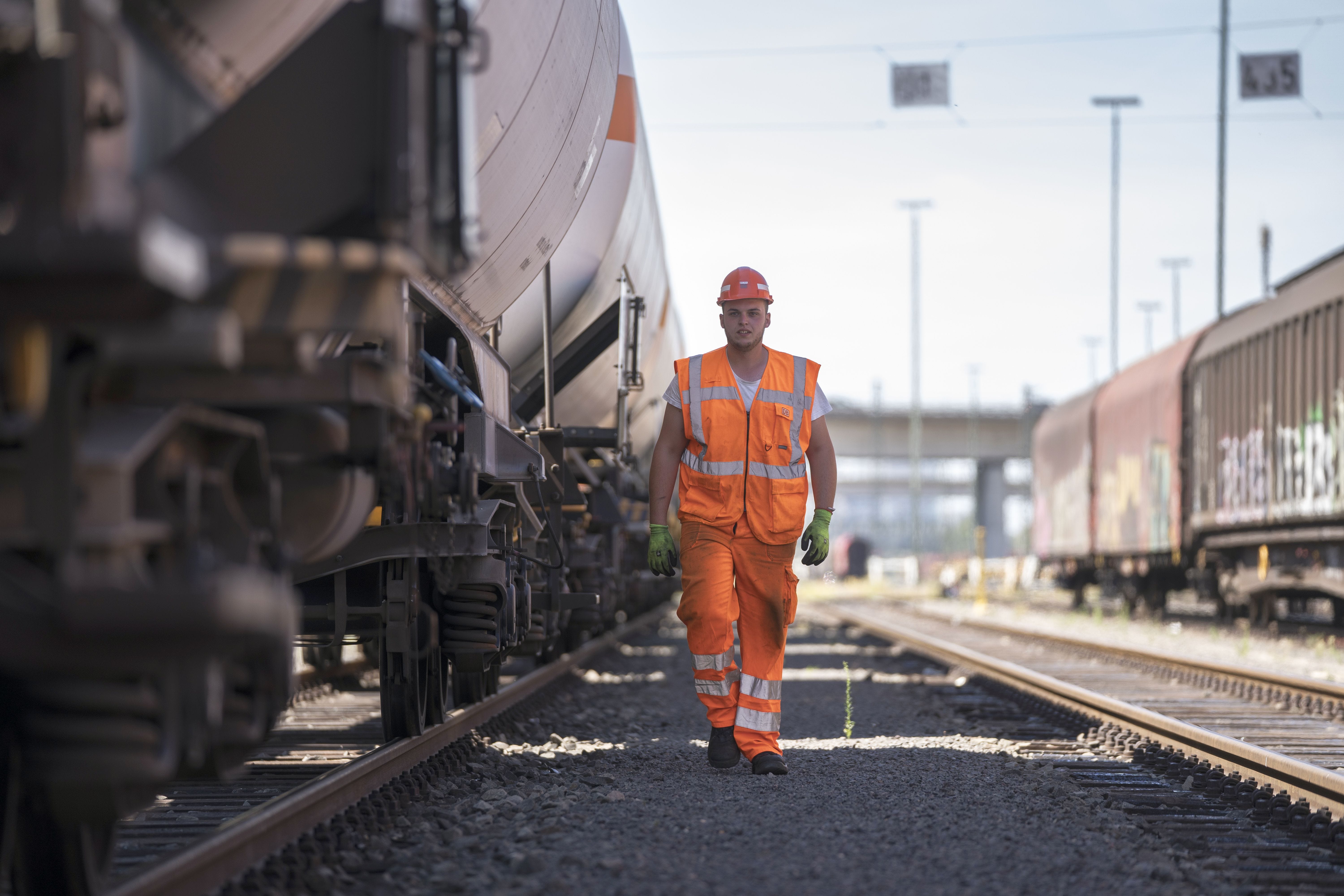
FREIGHT: DB Cargo has reached a formal agreement with worker representatives on a restructuring plan that will eliminate 6,200 of 14,000 jobs in Germany by 2030.
The deal formalises a EUR 1 billion cost-reduction programme and severs DB Cargo’s financial dependency on its parent — the profit-transfer agreement that absorbed losses since 2012 was terminated from 1 January 2025.
The company must demonstrate profitability by end-2026 under the terms of EUR 1.9 billion in state aid approved by the European Commission. Failure triggers potential break-up proceedings.
The future of single-wagon services — subsidised at EUR 300 million in 2026 — remains politically unresolved beyond 2030.
New-generation Nightjet enters service on Vienna–Zurich route
NIGHT TRAINS: ÖBB and SBB have introduced the new Nightjet fleet on the Vienna–Zurich corridor, the ninth route to receive the upgraded rolling stock as the two operators accelerate the transition.
The first departure ran 14 June from Wien Hauptbahnhof. Vienna–Zurich is the second Zurich service to receive the new generation after Zurich–Hamburg; Amsterdam follows in December 2026.
Each trainset seats 254 passengers across seven coaches, with a new Mini Cabin category for solo travellers sitting between open couchette and full sleeping compartment. ÖBB’s total new-generation fleet is set to reach 24 trainsets by year-end.
Full order books: Talgo must double production
SPAIN: The Spanish manufacturer has set a target to double production capacity by end-2028, as its order book reaches EUR 6.5 billion — the largest in the company’s history.
The expansion centres on Talgo’s Rivabellosa and Las Matas factories, with investment details still to be defined. Current output runs at 400–500 carriages per year across both plants.
The order book rests on a single platform — the Talgo 230 — ordered by Deutsche Bahn, DSB, FlixTrain and Trafikverket. The ICE L, originally due December 2023, remains more than two years late; the FlixTrain and Trafikverket deliveries have yet to begin.
Frequentis buys control of key FRMCS software supplier
INDUSTRY: Austrian communications specialist Frequentis is moving to majority control of Spanish MCX software developer Nemergent Solutions, consolidating the technology stack underpinning its FRMCS migration platform as large-scale European trials begin this summer.
Frequentis will raise its stake in Nemergent from 25% to 51%, effective July 2026. Nemergent’s technology is already the core of Frequentis MissionX, the platform positioned as the primary migration path from GSM-R.
The move gives Frequentis direct control over software development at the point when MORANE 2 field trials begin and migration procurement decisions are being made across Europe.
That’s The Rail Agenda for today. If you found this newsletter useful and relevant, please forward it to someone you know.