

With this issue, The Rail Agenda goes on summer break. We return with the newsletter on Tuesday 11 August. Have a great summer.
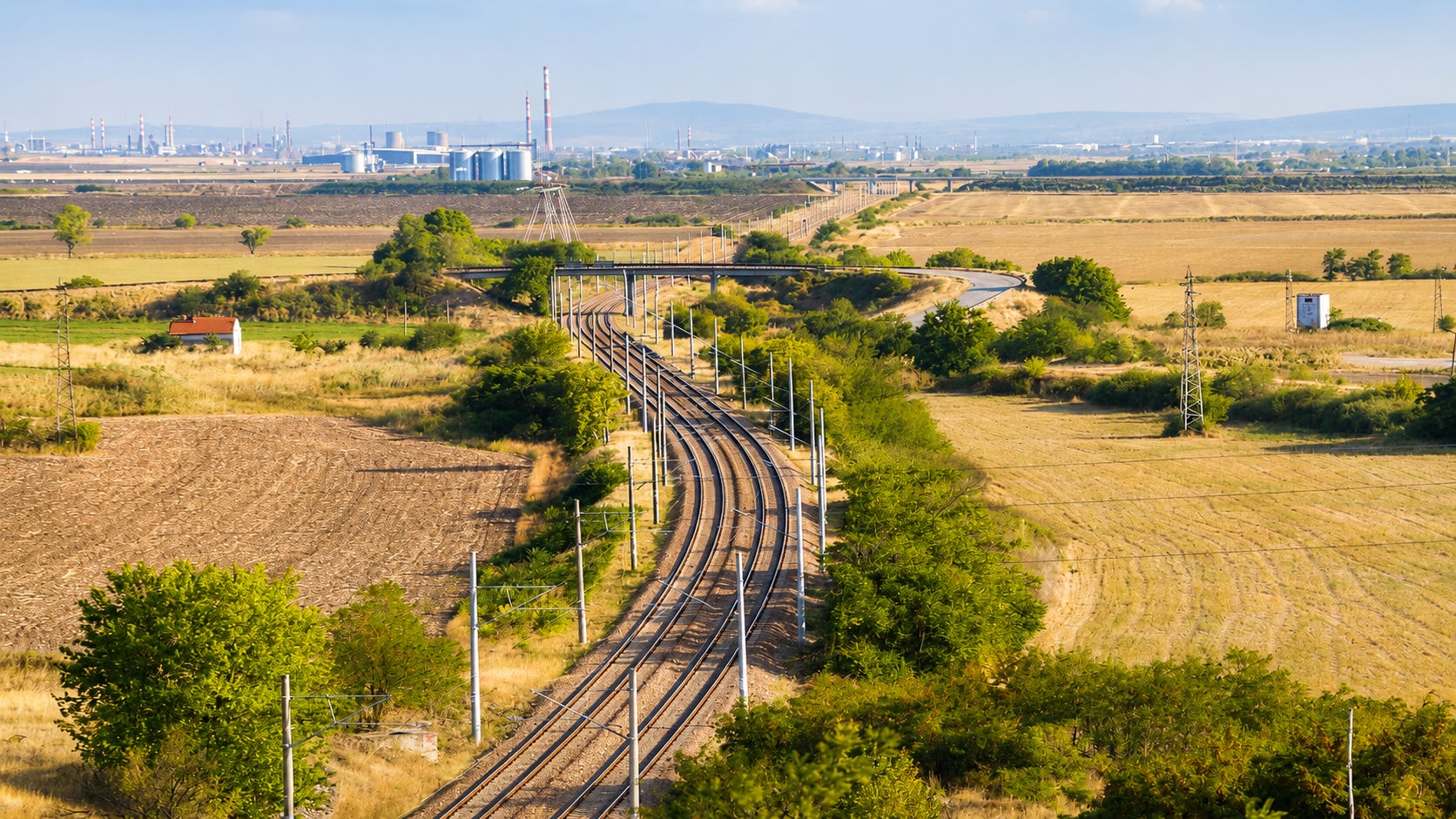
EU: The European Public Prosecutor’s Office and the EU’s anti-fraud office are investigating 19 Bulgarian rail contracts worth up to EUR 400 million in EU funding. The cases involve suspected procurement fraud, misuse of funds and money laundering, according to EPPO.
The investigations span procurement cycles from 2019 to 2026 and centre on the Sofia–Plovdiv–Burgas corridor. Infrastructure upgrades, signalling contracts and rolling stock procurements are all within scope.
Bulgaria’s immediate exposure is a potential clawback of up to EUR 400 million. A parallel ministerial audit has identified EUR 765 million in committed contracts without secured financing — and EUR 30.5 million in advances paid on projects with no completed activity.
The institutional picture is complicated by the suspension of Bulgaria’s own senior representative within the EPPO College, pending an inquiry into possible misconduct.
Siemens signs 30-year Westphalia service deal
GERMANY: Siemens Mobility has secured full maintenance responsibility for 61 battery-electric trains on Germany’s Northern Westphalia network (NNW) under a contract running for up to 30 years.
The 61 Mireo Plus B units were ordered by the Westfalen-Lippe Local Transport Authority (NWL) in December 2025 and financed by Rock Rail under a public-private partnership. Services are scheduled to begin in December 2029.
The fleet replaces diesel operations on the NNW. Rock Rail owns the trains; NWL holds the contracting authority role and is running a separate tender to select the network operator.
LTG Infra wants to terminate Rail Baltica bridge contract (1)
CROSS-BORDER: LTG Infra has moved to terminate Italian contractor Rizzani de Eccher’s contract for the 1.51 km Rail Baltica viaduct over the River Neris in Lithuania, citing work delays, unpaid subcontractors and a real risk the bridge will not be completed on time. Rizzani de Eccher has rejected the assessment and says the contractual relationship remains fully in force.
LTG Infra awarded the EUR 64m contract in April 2022. Roughly half the work has been completed. The infrastructure manager is now preparing a new tender for the remaining columns and bridge deck, and estimates a replacement contractor would need just over a year to finish the structure.
Lithuania’s transport minister has described resuming construction as the government’s absolute top priority, with the Rail Baltica deadline set at the end of 2030.
Rail Baltica’s Neris bridge contractor was already insolvent (2)
CROSS-BORDER: Rizzani de Eccher, the Italian contractor building Rail Baltica’s longest bridge, has been under formal court-supervised insolvency proceedings since February — with Webuild, Italy’s largest construction group, among fifteen investors assessing a potential acquisition.
Rizzani de Eccher filed for concordato preventivo at the Trieste tribunal on 5 February 2026. The company’s financial distress dates to June 2023 — the same year LTG Infra began monitoring its position. A court hearing scheduled for 10 July will determine whether the creditor protection framework is confirmed, modified or revoked.
That’s The Rail Agenda for today. If you found this newsletter useful and relevant, please forward it to someone you know.