

No charges over PKP Cargo’s 2022 coal losses
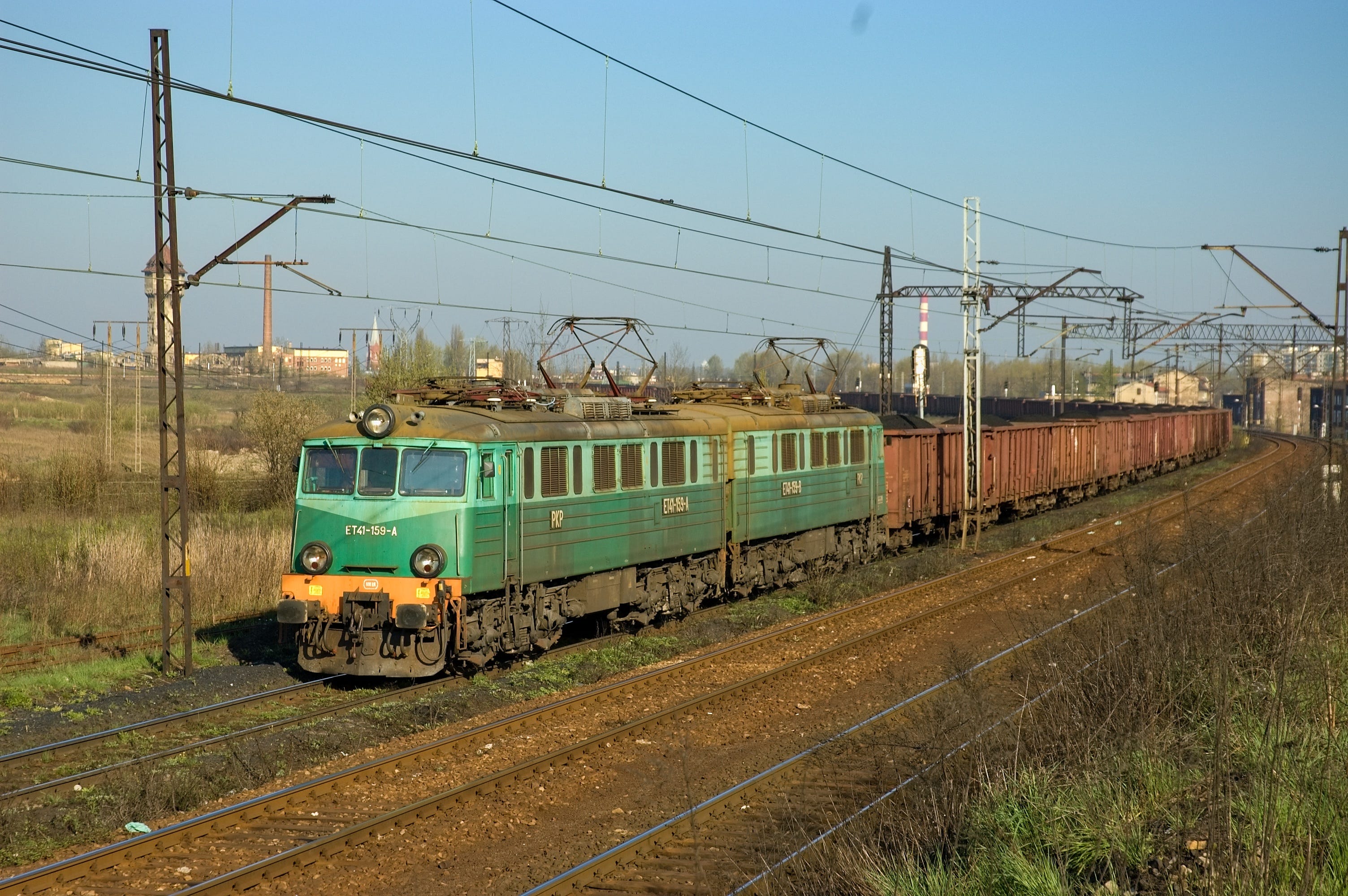
POLAND: Warsaw prosecutors have closed the investigation into the losses PKP Cargo suffered carrying out the government’s coal orders, finding that no crime was committed. The operator’s PLN 1.52bn claim against the state, part of its offer to creditors, rests on a civil case and settlement talks.
The investigation was opened in August 2024 after notifications from PKP Cargo itself. The decision is not final and can be appealed. PKP Cargo has not said whether it will challenge it.
The civil case at the Regional Court in Warsaw was suspended in March to allow settlement talks. In September, PKP Cargo’s restructuring administrator asked the court to resume it, because the time allowed for a suspension at the parties’ joint request had run out.
A court ruling on 29 September took control of the restructuring from PKP Cargo’s management and handed it to the administrator. The administrator is due to report on the takeover by 4 December, when creditors including the European Investment Bank (EIB) are also due to state their positions.
Drivers call off Renfe strike after deal on weather rules
SPAIN: Train drivers’ union Semaf has called off its 23 November strike at Renfe after the Transport Ministry agreed rules for running trains in bad weather and limits on driving time. The strike was the latest in a series that followed the Adamuz and Urda rail accidents.
Under a new protocol, thresholds in forecasts from AEMET, the state weather agency, will decide whether trains can run safely in severe weather. The deal also sets limits on driving and rest times.
Media reports of the agreement gave no thresholds, time limits or start date.
At infrastructure manager Adif, public-sector union CSIF has not signed the agreement other unions reached with the ministry and is continuing its action, so the conflict there is not over.
Switzerland seeks five more years of aid as rail loses to road
SWITZERLAND: The Federal Council wants to keep subsidising unaccompanied combined transport through the Alps until 2035, five years longer than planned, as rail keeps losing freight to lorries. It has asked parliament to fast-track the CHF 486m bill so the changes can take effect during 2027.
The bill puts the payments at about CHF 59m a year from 2027 and cuts them step by step from 2030. The aim is for Alpine rail freight to run without subsidy from 2036.
Rail carried 68.6% of freight crossing the Swiss Alps in 2025, the fourth annual fall in a row. Some 960,000 lorries crossed the Alps that year, against a legal target of 650,000.
The government blames poor quality and reliability on the European north–south routes, in particular construction work and line closures in Germany.
DB to close Berlin-Spandau for eight weeks in 2027
GERMANY: Deutsche Bahn will close Berlin-Spandau to long-distance and regional trains from 15 October to 11 December 2027. The eight weeks are the final phase of the Hannover–Berlin renovation.
For the eight weeks, the whole section between Fallersleben, near Wolfsburg, and Spandau will be closed. The S-Bahn at Spandau is not affected. Long-distance trains stay on a diversion that adds about 80 minutes until the works end.
Infrabel picks Stadler to replace its 1960s works locomotives
BELGIUM: Infrastructure manager Infrabel has chosen Stadler as preferred bidder to replace its works-train locomotives, many built in the 1960s. The framework agreement covers 60 to 90 locomotives over 11 years and up to 40 years of maintenance, worth just over EUR 1bn at its maximum.
Stadler is to deliver the first prototypes from 2030, and the roll-out is due to be complete in mid-2036. Maintenance accounts for roughly half of the value, according to Infrabel.
That’s The Rail Agenda for today. If you found it useful, forward it to a colleague – they can read every story by signing up for free.