

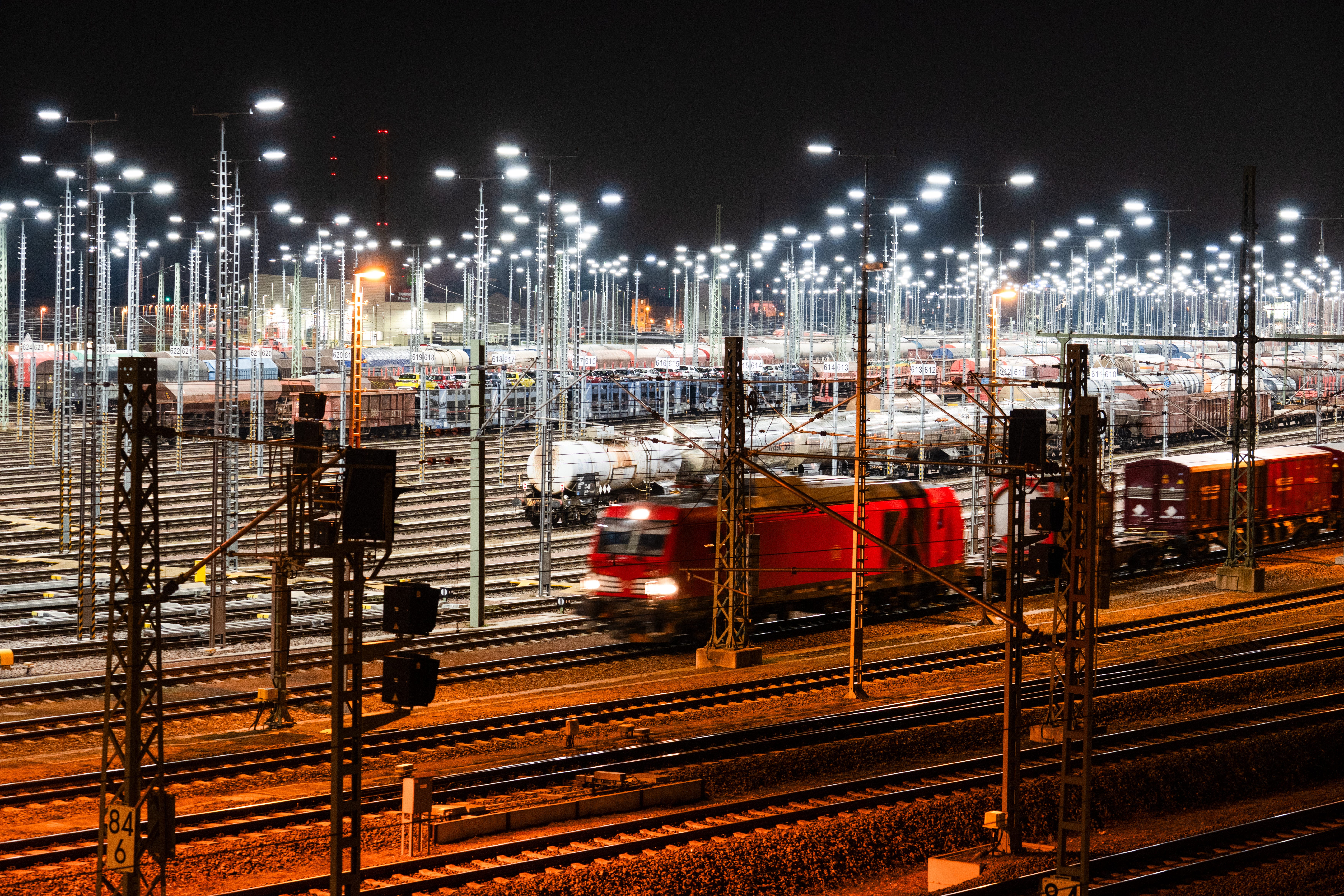
GERMANY: The federal transport and finance ministries have raised this year’s funding line for single wagonload traffic by up to EUR 84m, lifting the total available in 2026 to up to EUR 384m. The money comes from budget funds appropriated in earlier years and never spent.
Transport minister Steffen Bilger and finance minister Lars Klingbeil agreed the increase. The scheme is open to freight operators on the federally owned and non-federally owned networks alike.
Single wagonload traffic accounts for around 18% of German rail freight, and the ministry puts the number of served freight points at more than 2,000. Steel, chemicals and the car industry depend on the system.
The 2027 cut
The government’s draft budget cuts wagonload support by EUR 26m in 2027, by Allianz pro Schiene’s count, and the lobby group is asking the Bundestag to reverse the cut and lift funding back towards this year’s level. Spain is meanwhile moving to make its own rail freight support scheme permanent.
Allianz pro Schiene’s managing director Dirk Flege called the increase an important signal to Germany’s freight railways and to shippers. He said the support came at the right time for the German economy, with low water on the Rhine having restricted inland waterway freight.
Pressure on the segment
Track access charges for a standard freight train would rise from EUR 3.48 to EUR 3.92 per train kilometre in 2027, an increase of 12.6%, under charges DB InfraGO has applied for.
DB Cargo, which runs the country’s single wagonload network, posted a EUR 1m loss for the first half of 2026. The European Commission’s 2024 state aid approval requires the operator to reach long-term viability by the end of 2026, a test decided on the full-year result.