

For once Denmark was early. The border trains paid for it
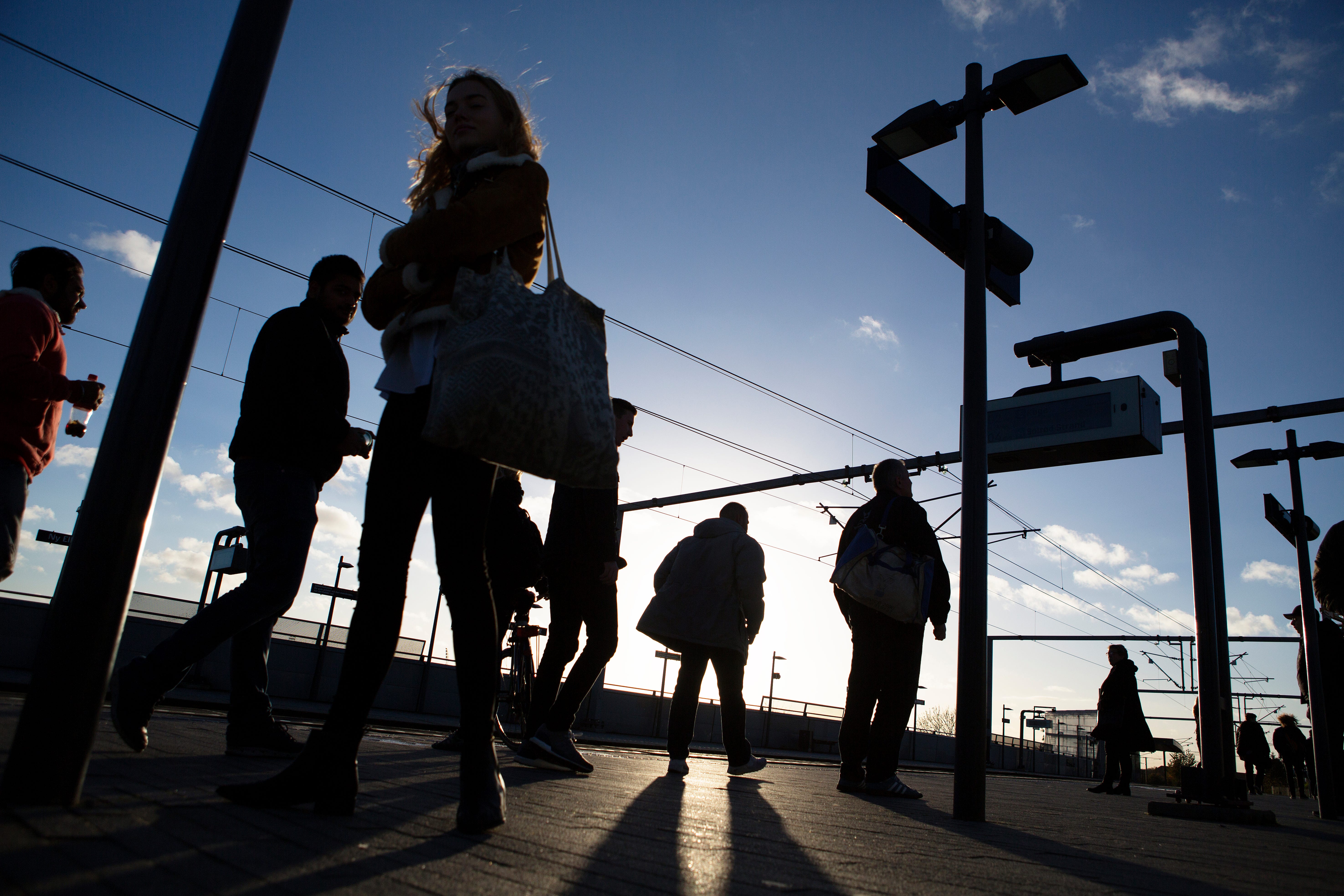
From 13 December, buses will replace the DSB trains between Padborg and Flensburg for all of 2027. Denmark’s switch to new European signalling on the line has cost the Danish trains their approval in Germany. They were meant to keep running until German trains took over in December 2027.
Denmark has spent most of two decades catching up on its railway. At the German border it is now ahead, and its switch to ETCS, the European train control system, is what ends the trains.
The handover had been planned, its date was known, and the signalling and the trains answer to the same ministry. What has not been explained is who was meant to make the two dates meet.
The bus will take about 25 minutes against 10 by train, according to NAH.SH, Schleswig-Holstein’s transport authority.
Under the EU’s ERTMS deployment plan, the infrastructure managers on each side of a border must sign an agreement with transitional provisions for cross-border services. Banedanmark and DB InfraGO have not published one for Padborg.
Czech Railways signs Prague deal before it can buy the trains
CZECHIA: Czech Railways (ČD) has signed a 30-year, CZK 165bn contract to run Prague’s regional trains while the competition authority still bars it from ordering the new trains the contract depends on. The authority has also opened a new case over Škoda’s winning bid.
ČD picked Škoda Group in a separate tender for up to 133 units, valued at up to CZK 84bn. The Office for the Protection of Competition (ÚOHS) has rejected Stadler’s challenge to that choice. An interim measure still prohibits ČD from signing the supply contract.
ÚOHS has also opened first-instance proceedings over whether the content of the selected bid was substantially changed after the deadline. ČD denies that the bid was changed.
Petr Borecký, the Central Bohemian councillor for public transport, said it is ČD’s responsibility to deliver the new trains in 2030.
DB Regio wins 22 more years on Frankfurt’s S-Bahn
GERMANY: DB Regio will run Frankfurt’s S-Bahn lines S3 to S6 for another 22 years, to 2055, after winning a tender that transport authority Rhein-Main-Verkehrsverbund (RMV) decided on price alone. Bavaria and the Stuttgart region have taken the trains out of the operator’s bid.
The value of the contract and the number of bids have not been disclosed. The contract covers about 6.9 million train-km a year from December 2033 to December 2055.
RMV’s notice does not say who provides the trains. In Munich and Stuttgart, the authorities’ models take the cost of buying trains out of a challenger’s bid.
RMV has not said who will provide the new trains in Frankfurt or whether DB Regio faced a challenger.
Portugal builds high speed in a gauge the EU has yet to allow
Portugal started work on its first high-speed line on 12 October in Iberian gauge, while its request for an exemption from the EU’s standard-gauge rule has yet to be answered publicly. The trains for the line will come from a field of two bidders.
Whichever company wins, CP will buy a fleet before it knows which gauge it will need in the 2040s.
Germany’s 2028 rail charges bet freight has nowhere to go
Germany’s rail infrastructure manager wants a standard freight train to pay 6.6% more in 2028. Dangerous goods trains would pay 63.5% more and very heavy trains 84.8% more, freight operators’ association Die Güterbahnen has calculated, putting the steepest rises on the traffic the charging model assumes cannot leave rail.
The Federal Network Agency (BNetzA) has given interested parties until 26 October to comment or to join the procedure.
SNCF launches TGV M on 6 November, two years late
FRANCE: SNCF has set 6 November for the launch of Alstom’s TGV M between Paris and Marseille, two years after the new-generation high-speed train was meant to carry passengers at the Olympics. Trenitalia has competed on the route since June 2025.
Passengers can board from 9 November, according to travel trade site TourMaG. The train will at first run one daily return trip between Paris and Marseille as a double set.
That’s The Rail Agenda for today. If you found it useful, forward it to a colleague – they can read every story by signing up for free.