

Night train to Milan set for September start
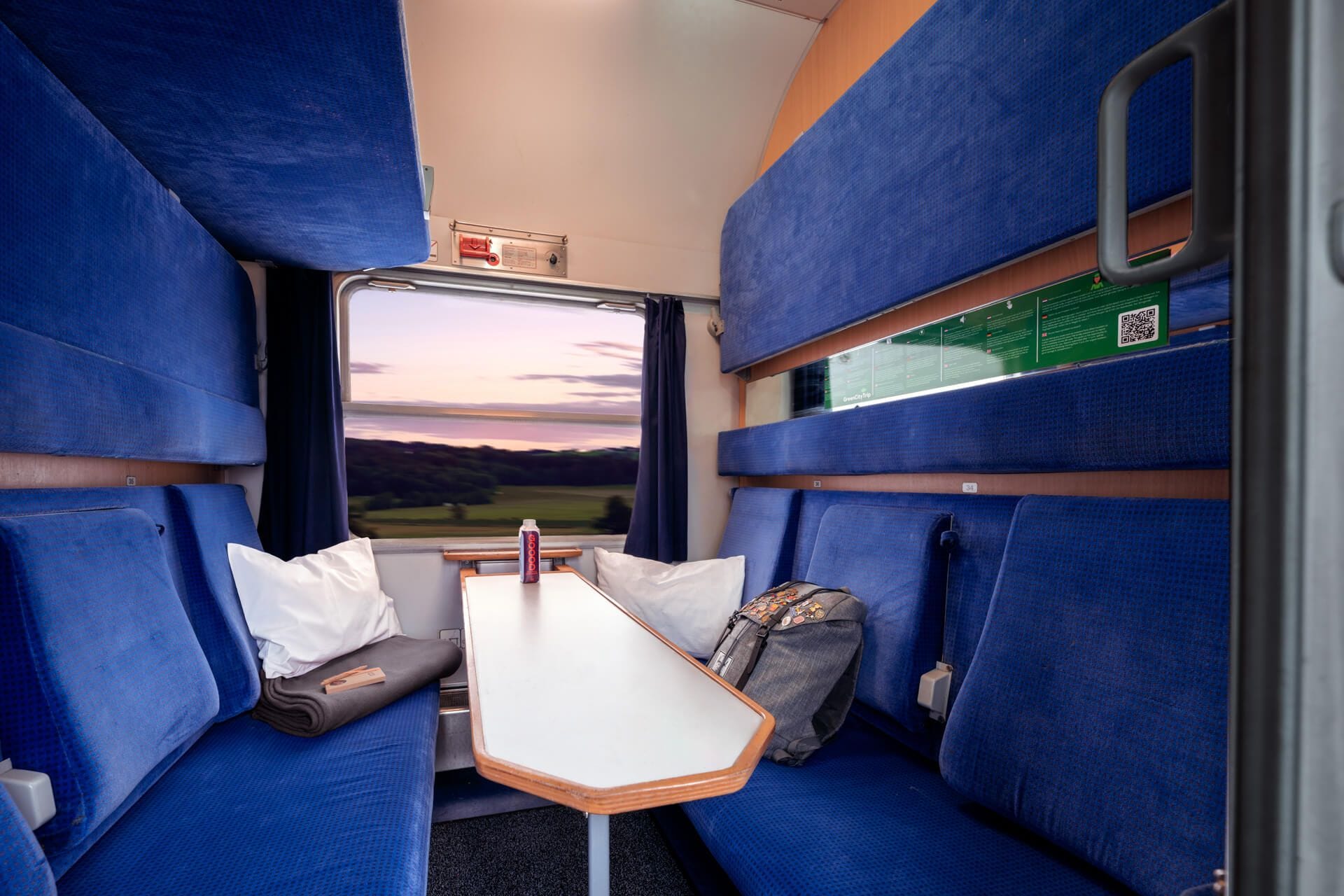
EUROPE: European Sleeper will launch its Brussels–Cologne–Zürich–Milan night train on 9 September 2026 after postponing the original June start due to infrastructure constraints.
The revised timetable resets the operator’s market entry into northern Italy and shifts planning assumptions for late-summer paths across three networks.
The later start reflects German track works and Swiss certification sequencing, pushing the commercial debut beyond the peak summer window.
New Adriatic port rail link enters tests
SLOVENIA: Test operations are under way on the new rail link to the Adriatic port of Koper, ahead of formal commissioning and entry into commercial freight service.
The transition from construction to verification marks the final control stage before traffic can shift onto the new alignment. Clearance will determine when capacity on the port corridor effectively increases.
Commissioning clearance will determine when freight can be rerouted and additional capacity released on the port corridor.
WESTbahn challenges ÖBB on southern axis
AUSTRIA: Private operator WESTbahn has launched services on Austria’s Südbahn, opening direct open-access competition with state-owned ÖBB on the Vienna–Graz–Villach corridor.
A second long-distance operator introduces direct market competition on a core intercity artery. Path allocation and timetable stability now become central to how effectively the axis functions.
Timetable stability and path allocation will now be tested under head-to-head operations on the mixed-traffic line.
Joint rail–air ticket for DB ICE Cologne–Brussels
CROSS-BORDER: Deutsche Bahn’s ICE service between Cologne and Brussels will begin stopping at Brussels Airport and be sold with onward flights under a single Brussels Airlines ticket from 7 September 2026.
The change embeds rail inside an airline distribution framework rather than treating it as separate ground access. Booking, ticketing and disruption handling move under a unified commercial structure.
Rail and air segments will be booked and protected under one itinerary, placing the airport station inside the airline’s transfer logic.
Thank you for reading The Rail Agenda — and if you found it useful, please share it with someone who might, too.