

Europe’s target to complete the TEN-T core network by 2030 will not be met, the European Court of Auditors says in a new report. The auditors examined eight TEN-T “megaprojects” — including four major rail schemes — and found widespread cost increases and major delays against original estimates.
Across the eight projects, the ECA reports an overall real cost increase of 82% compared with original estimates. This is up from 47% in the auditors’ 2020 review of major TEN-T schemes.
The auditors also note that the projects have received an additional EUR 7.9bn in EU grant funding since 2020, taking total EU funding contributions to EUR 15.3bn.
Two rail projects account for a large share of the cost increase cited in the report:
Rail Baltica — the standard-gauge line intended to connect the Baltic States with Poland — is reported to have seen a 160% cost increase over the past six years to EUR 23.06bn for a first phase of delivery.
The Lyon–Turin new line and base tunnel is now estimated at EUR 15bn, up 23% since 2020.
Delays widen across the rail pipeline
The ECA reports significant delays across the projects and puts the average delay at 17 years for schemes where comparable data are available, measured against original target dates. This is up from 11 years in 2020.
The Basque Y high-speed rail project in northern Spain is among the most delayed: it was first due to open in 2010, then retargeted for 2023. The auditors say it is now expected to be ready by 2030 at the earliest, and say 2035 is more realistic.
For other cross-border links, the auditors cite the Lyon–Turin line now being earmarked for 2033, versus an original 2015 opening date and a later 2030 target.
The Brenner Base Tunnel between Austria and Italy is cited as slipping to 2032 at the earliest, compared with earlier plans for 2016 and later 2028.
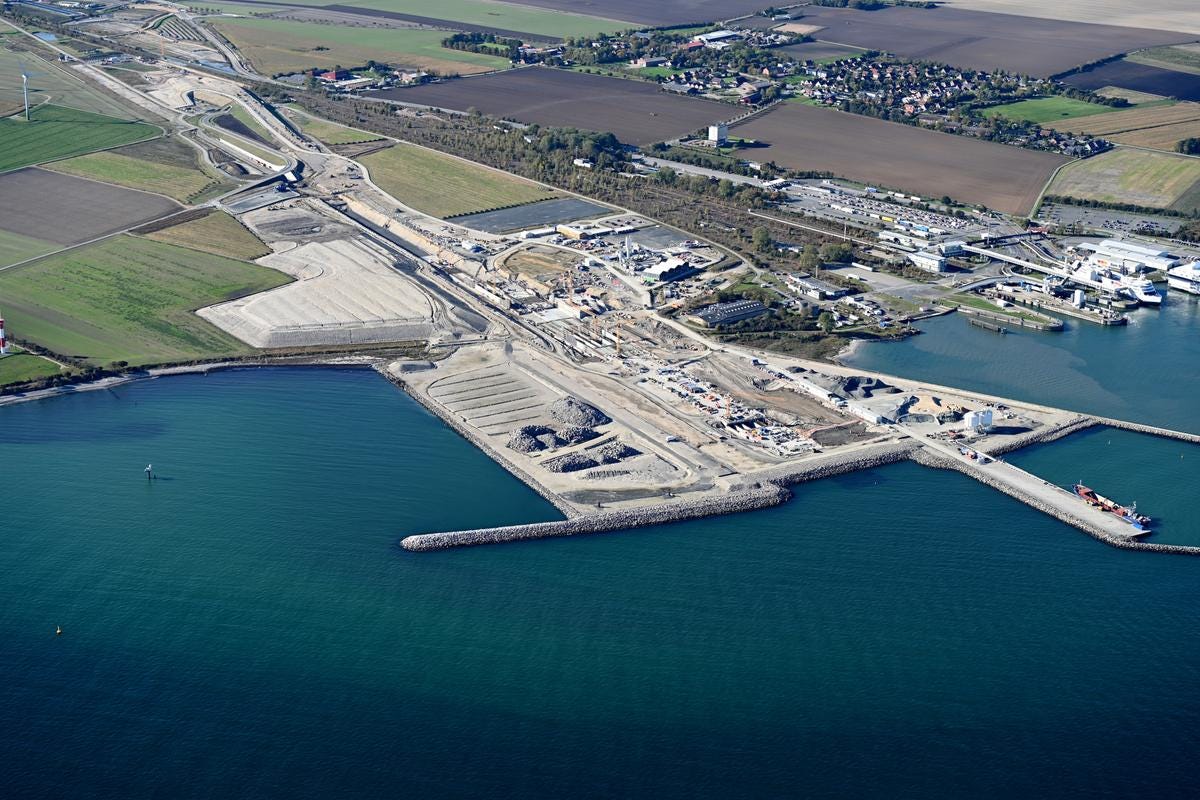
The Fehmarn Belt fixed link between Denmark and Germany is reported as moving from a 2029 target to at least 2031.
Rail Baltica, once due to be completed in full by 2030, is now set to deliver only a first phase by that date, with no overall completion timetable cited by the auditors.
Across the rail schemes reviewed, revised delivery dates now cluster in the early-to-mid 2030s rather than around 2030.
Governance: stronger framework, limited leverage
The ECA is more positive about current governance than in 2020, noting that the European Commission now has legal tools to scrutinise delays and require explanations. However, the auditors say these powers are limited and have been used only once — and not on any of the projects examined in this report.
The auditors also point to the 2024 revision of the TEN-T regulation as strengthening the corridor framework and oversight tools, including a larger role for European Coordinators, and requires member states to align national transport plans with EU priorities.
However, the ECA’s position is that these changes will not materially alter outcomes for projects that are already at an advanced stage of delivery.
The European Commission, in its response, argues that many TEN-T projects are expected to be completed by 2030 or close to that date.
The Commission highlights the E59 rail upgrade project in Poland as on track for completion by 2030, and says cost estimates for around half of the projects are stable or lower than in the 2020 review, while others continue to rise.
Why it matters: TEN-T is a network promise, not just a list of projects — and delays in major links weaken the whole system. When the biggest cross-border links slip by a decade or more, Europe gets partially-connected assets instead of corridor-level capacity and reliability, while operators, infrastructure managers, and national budgets must plan around “incomplete network” conditions for longer than expected.