

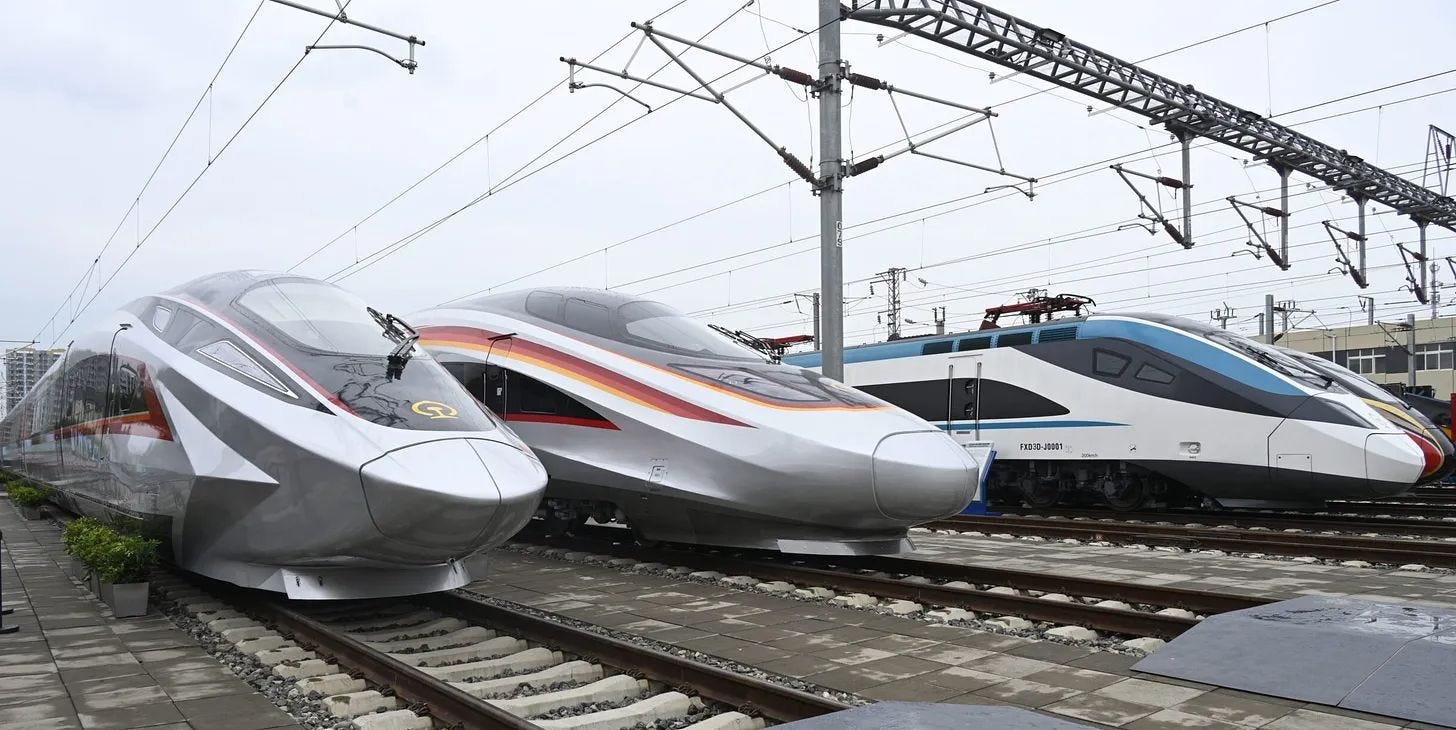
Renfe is expected to launch its next high-speed fleet tender in late January. Spanish business daily Cinco Días reports that delivery time will be a scored criterion in the evaluation — sharpening the focus on lead times in one of Europe’s biggest rolling-stock competitions.
Delivery time is always a constraint in fleet procurement. The significance here is the reported move to treat it as an explicit, point-scored criterion — not just a background assumption.
Once the tender documents are published, the impact will depend on two practical questions: first unit vs full fleet, and whether the timetable is tied to acceptance or ready-for-service. The weighting versus price, technical requirements, and long-term maintenance will determine how much advantage faster delivery can buy.
What the tender is expected to cover
The tender is reported to start with an initial order of 30 high-speed trainsets, with options allowing Renfe to increase the order. The same reporting points to a 350 km/h capability requirement and a procurement structure that bundles long-term maintenance, described as a 15-year model involving Renfe and the manufacturer in a jointly established vehicle to manage maintenance obligations.
Taken together, the approach would turn near-term production capacity into a scored differentiator in the competition. Two things remain unknown: the weighting, and who carries the risk if delivery, testing or acceptance slips.
From Westbahn’s CRRC move to Renfe’s tender logic
The logic mirrors what Europe has already seen elsewhere when delivery slots become the key constraint. Austria’s WESTbahn has leased CRRC-built double-deck EMUs on a 10-year term with a purchase option. The move was framed primarily around available delivery slots and timelines, signalling how supply bottlenecks can redirect fleet strategy.
Spain’s transport minister has been making the same case publicly for months, explicitly benchmarking delivery speed and looking beyond the established European supplier set. That political line may now translate into the tender. If delivery time is scored, this tender would be the first clear signal of what it could mean in practice.
Why it matters: If delivery time carries points, lead times shift from messaging to procurement mechanics — pushing European suppliers to compete on near-term production slots, not just price and performance. It also raises the risk around authorisation and testing under compressed timelines, and can make non-European builders look more competitive on delivery in some markets.