

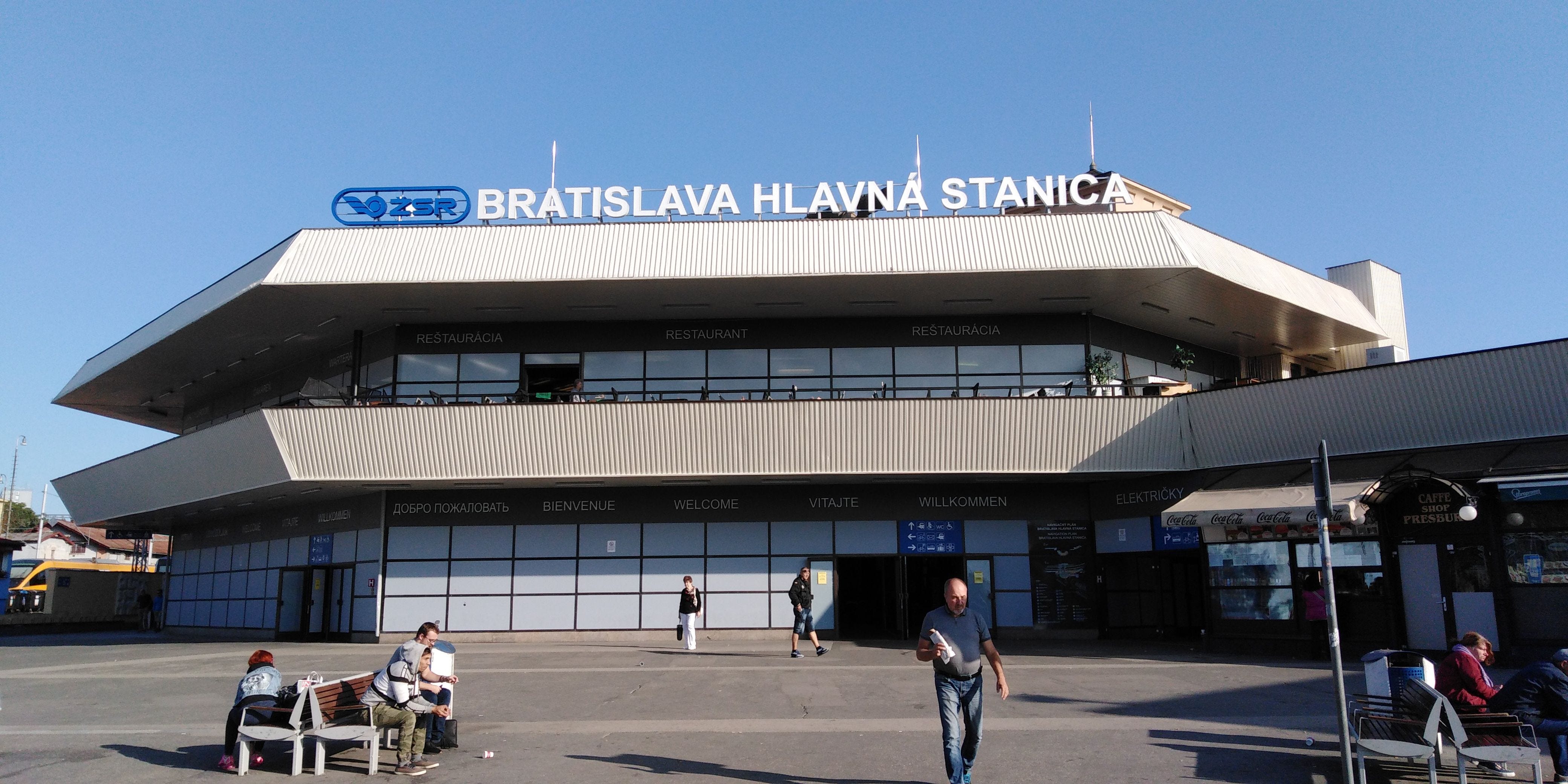
Slovakia has outlined a two-stage high-speed plan: first boosting capacity around Bratislava, then new links to the Czech and Austrian borders.
The approach was presented by Slovakia’s infrastructure manager ŽSR as the preferred option in a feasibility study, with an estimated total cost of around EUR 3.1bn covering both stages.
What the preferred programme includes
Under the preferred option, Stage 1 focuses on capacity and functional upgrades in the Bratislava area. These works are framed as a prerequisite for future high-speed operation, addressing bottlenecks that would otherwise limit capacity and service reliability on both domestic and international routes.
Stage 2 would then add new high-speed lines towards the Czech and Austrian borders. The feasibility study explicitly identifies both directions as part of the preferred programme, enabling Slovakia to connect into emerging Central European high-speed links.
Why Bratislava comes first
ŽSR’s sequencing reflects a hub-first logic. Bratislava is treated as the main constraint: without additional capacity and reconfigured approaches at the capital, new cross-border lines would not deliver the expected capacity and network effects.
By placing the Bratislava works first, the programme moves from concept-level high-speed plans to a defined build sequence, where domestic capacity is established before through-running and cross-border services are added.
The feasibility study marks a shift from concept-level discussion to a package that can be costed, staged and negotiated.
The preferred option is also framed as part of a wider Central European high-speed concept, without setting out detailed timelines or firm delivery commitments at this stage.
Next constraint: decisions and alignment
While the study defines a technical and sequencing logic, delivery now depends on political decisions, financing and cross-border alignment with neighbouring countries.
No firm timelines were presented alongside the preferred option, underlining that the proposal remains at the decision and preparation stage.
Why it matters: Slovakia’s proposal is less about announcing new lines and more about sequencing. By treating Bratislava as the main constraint and staging cross-border links after domestic capacity works, the plan translates high-speed ambition into a system logic that can be financed and delivered — if political decisions and cross-border coordination follow.