

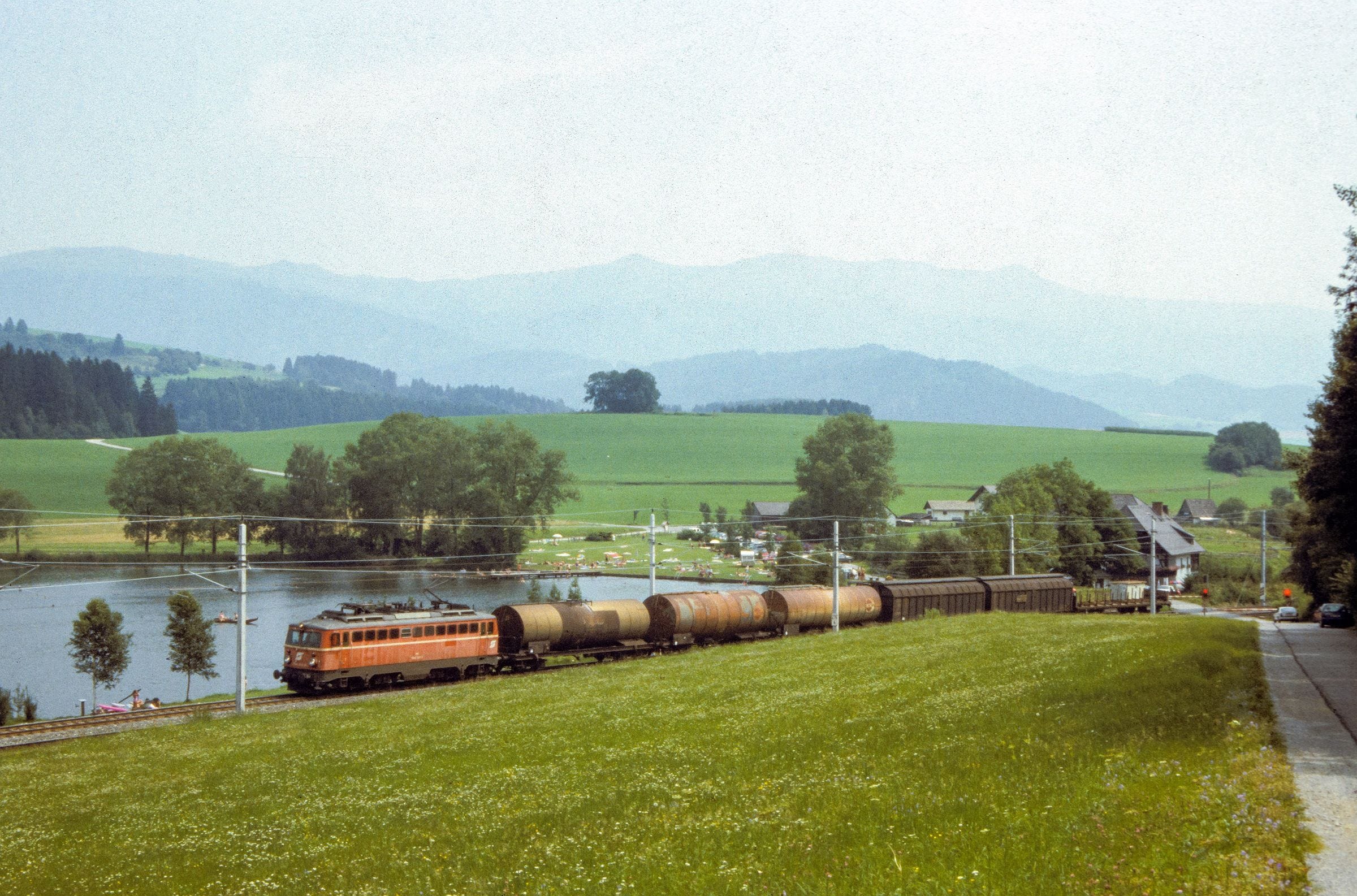
AUSTRIA: ÖBB’s Rail Cargo Group recorded a pre-tax loss of EUR 135.5m in 2025, widening sharply from EUR 24.5m the previous year, as industrial recession, road competition and infrastructure disruptions eroded the European freight rail market.
Rail Cargo Group, one of Europe’s largest state-owned freight operators, booked EUR 81.1m in goodwill writedowns on Hungarian subsidiaries and agricultural logistics operations, compounding trading losses driven by pricing pressure from road haulage and extended routing caused by German infrastructure works.
The wider ÖBB Group posted earnings before tax of EUR 68m — a 40 % decline year-on-year — despite an 8 % increase in group revenue, with passenger operations recording 559 million journeys and the opening of the Koralmbahn corridor offsetting freight weakness.
Savings programme targets freight operations
The writedowns represent the largest single charge against Rail Cargo Group’s 2025 result, but the underlying trading position reflects broader structural pressure across European rail freight. Industrial output contractions in core central European markets reduced volumes, while road haulage operators maintained aggressive pricing through the year.
Disruption to German rail infrastructure extended transit times on key international corridors, adding operational costs Rail Cargo Group could not recover through tariff adjustments in a compressed market.
ÖBB announced a savings programme targeting a 10 % reduction in controllable planned costs, estimated at around EUR 300m annually. Chief Executive Andreas Matthä indicated the programme would include organisational streamlining in freight operations, without specifying the measures.
Passenger growth offsets group result
Rail Cargo Group’s loss contrasts with stronger results elsewhere in the ÖBB group. Passenger volumes reached record levels in 2025, supported by the opening of the Koralmbahn corridor in December 2025, connecting Graz and Klagenfurt in 41 minutes.
ÖBB’s overall commercial position remained stable despite freight losses, with group revenue growing 8 % year-on-year.
The divergence between passenger growth and freight losses reflects a structural tension running across European state-owned rail groups: infrastructure investment and modal shift policies are expanding passenger markets while freight operators continue to face unresolved competition from road haulage and energy cost exposure.