

FRANCE: A tax on motorway and airport operators will help pay for a 50% rise in SNCF Réseau’s renewal spending, to EUR 4.5bn a year from 2028, under a 10-year contract with the state. Parliament has yet to approve the tax change.
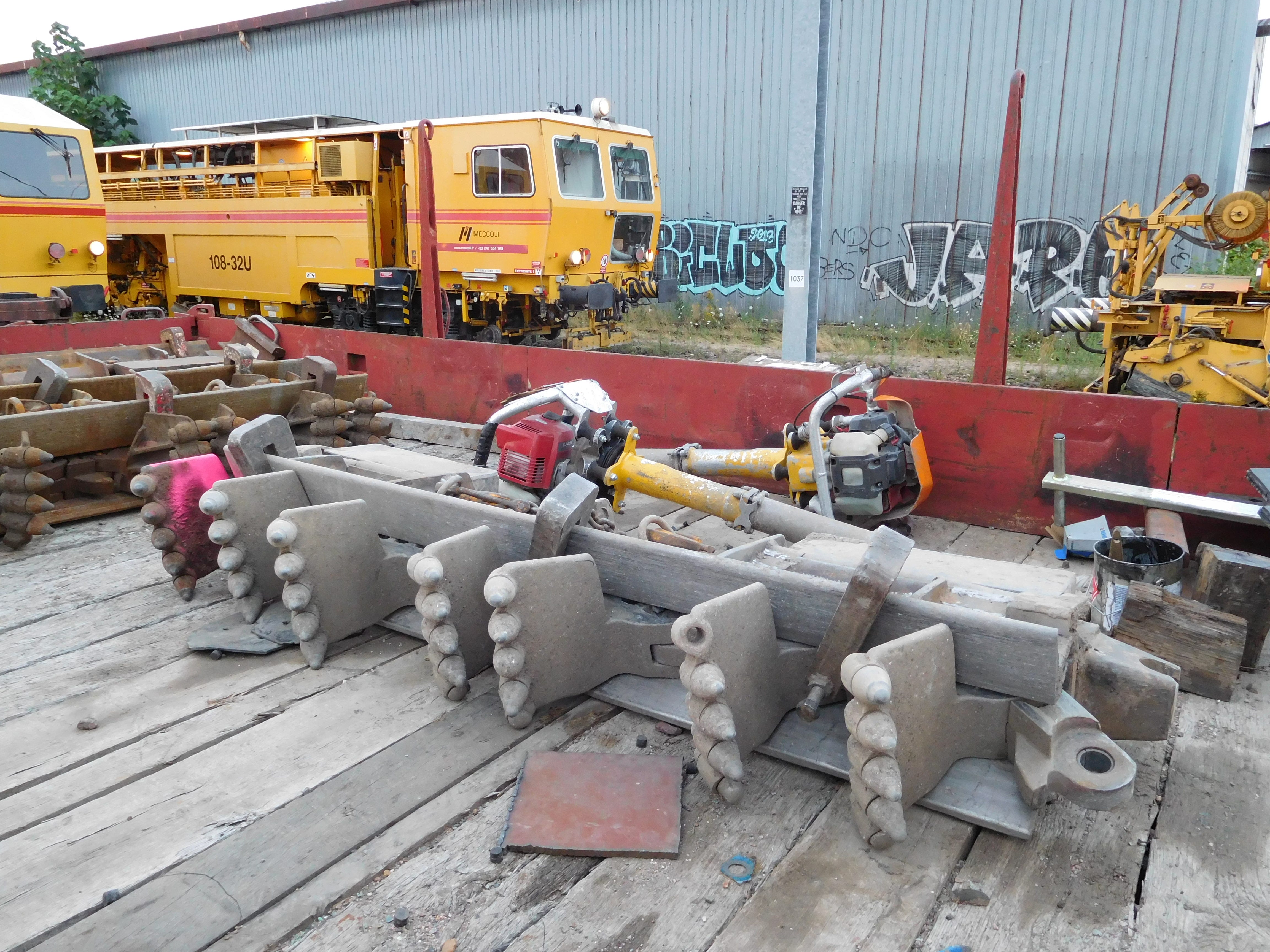
Transport Minister Philippe Tabarot and SNCF Réseau chief executive Matthieu Chabanel signed the contract at a track renewal site between Clamart and Trappes, south-west of Paris, the transport ministry said. It covers 2024–2033 and replaces the contract for 2021–2030 signed in 2022.
The infrastructure manager has spent roughly EUR 3bn a year on renewal, according to the news agency AFP. The contract sets EUR 4.5bn at 2028 prices and in return asks SNCF Réseau to cut its debt by 25% and carry 25% more traffic by 2033 – nearly 800,000 more high-speed, regional and freight trains than in 2024.
Where the extra money comes from
The ministry named three sources. A new energy savings certificate (CEE) programme of EUR 241m will finance renewal work in 2027 and 2028. From 2028, part of the extra revenue from a proposed change to the TEITLD, a tax on operators of long-distance transport infrastructure such as motorways and airports, will go to AFITF, the state agency that finances transport infrastructure.
The ministry did not say how much. The SNCF group will keep reinvesting part of its earnings in the network.
The TEITLD change is in the draft 2027 budget, which parliament has not adopted.
Investment is due to reach EUR 3.7bn in 2027, the French trade publication Ville, Rail & Transports reported, which leaves about EUR 800m to find for 2028.
“The minimum amount, but achievable given the budget situation,” the SNCF Réseau chief executive said of EUR 4.5bn. It is enough to stop the network ageing, he said, but not to make it younger.
What the consultation changed
The draft went out for consultation in early June to the rail regulator ART, regional transport authorities and passenger and freight operators. The signed version adds an annual presentation in each region of the three-year renewal programme and the previous year’s results.
It also promises better-protected train paths for regional TER services and freight, and new performance indicators for regions and freight operators, which are still under consultation.
Passenger association FNAUT said it was very worried about a contract with insufficient means, the agency reported. AFRA, which represents SNCF’s competitors, welcomed a more ambitious contract but said barriers to competition remain.