

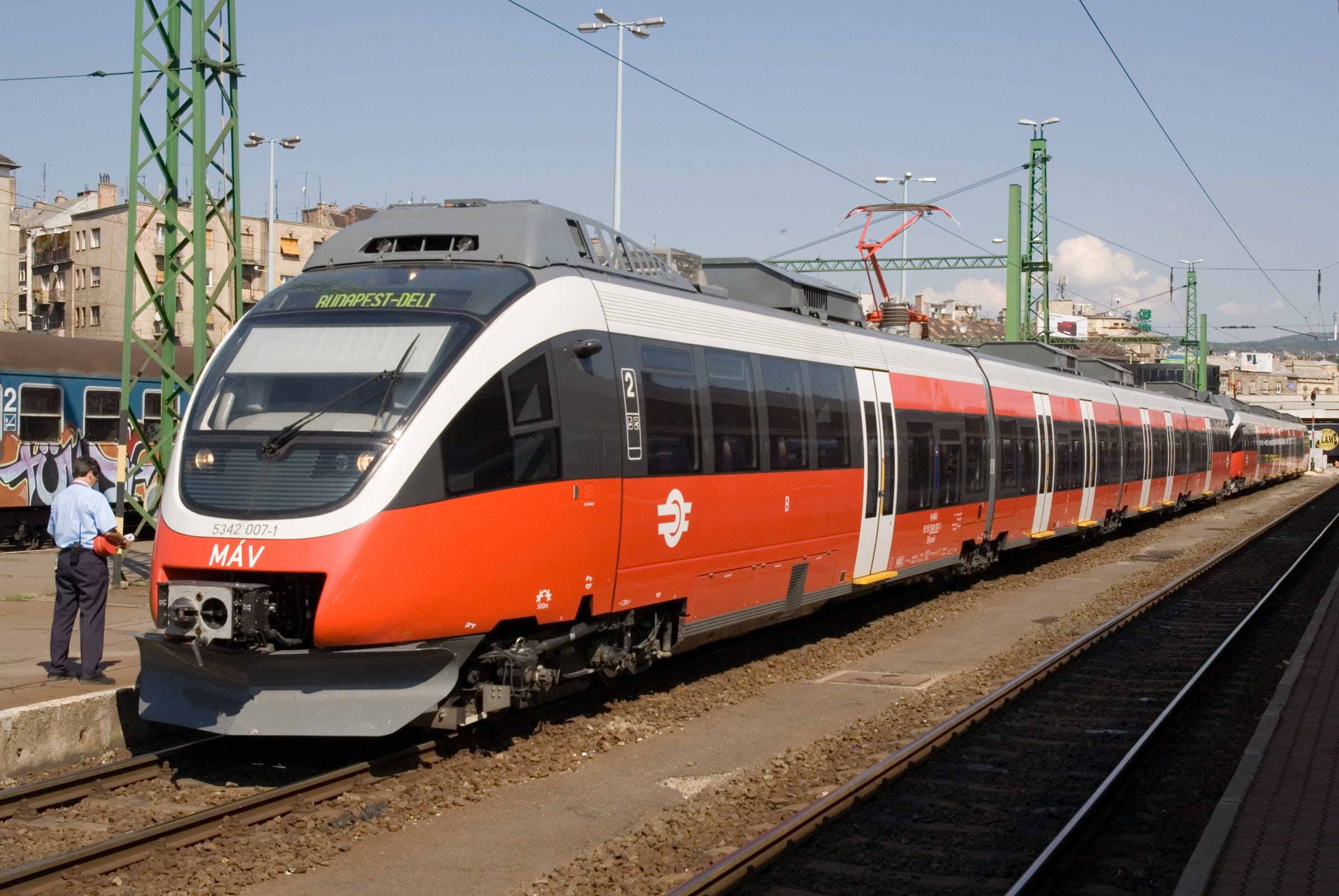
Hungary’s government has set out a programme to add 50,000 passenger seats on mainline services, implying a major fleet expansion across long-distance and suburban traffic.
A 5 February decree describes a potential scope of up to 82 EMUs and 88 passenger coaches, with funding to come via EU sources alongside loans and leasing.
Earlier suggestions that Hungary might look beyond Europe for rolling stock appear to have been a pressure tactic rather than a procurement route. The new programme is explicitly tied to EU funding and financing frameworks.
From decree to procurement
The decree is not a tender. It is a procurement direction and a financing envelope — a decision point that moves the story from “whether to fund” to how contracting is structured and how delivery can be secured.
With EU-linked financing, loans and leasing on the table, the next question is contract design. The first practical question is sequencing: whether EMUs or coaches are procured first.
A second question is packaging — whether the programme is structured as a single procurement, multiple lots, a framework agreement, or one-off contracts.
Risk allocation will shape bidder appetite and price. Delivery risk, inflation exposure and availability assumptions can sit with the state, the supplier, or a lessor.
Delivery depends on market capacity
EU funding conditions may also affect delivery. Which EU channel is used — and what requirements apply — can shape scope, timetable and technical choices.
The decree points to EU-linked financing; the schedule will depend on how that translates into bankable and contract-ready packages.
Why it matters: Hungary’s decree turns a capacity debate into a quantified fleet programme — but delivery now hinges on tender structure, risk allocation, supplier capacity and approvals. EU-linked financing frameworks can also shape both pace and scope.