

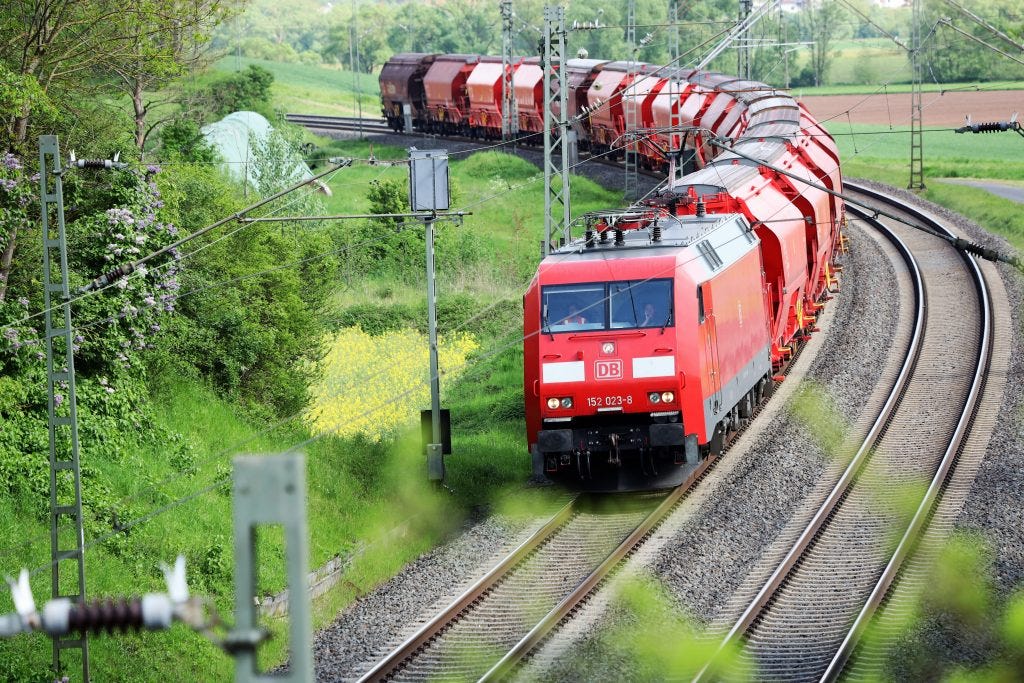
Germany is overhauling how it runs and renovates its rail infrastructure through a new governance model and systematic corridor modernisation. The changes aim to create a high-performance backbone for Europe’s most-used cross-border connections, with direct implications for punctuality and capacity across the continent.
The reform centres on three interconnected elements: a dedicated infrastructure company, a corridor-by-corridor renovation method, and an integrated national timetable designed to improve connections both within Germany and across borders.
InfraGO and the corridor approach
DB InfraGO AG now leads Germany’s rail infrastructure, issuing network access rules and executing large-scale modernisations. The company has introduced what it calls “general modernisation” — bundling track, signalling, station and related works into concentrated full closures on heavily used lines. Instead of years of rolling weekend disruptions, entire corridors shut down for months while all assets get renewed simultaneously.
The method aims to compress disruption, improve quality and deliver long-term reliability gains. The pilot ran on the Riedbahn between Frankfurt and Mannheim from July to December 2024, with a five-month full closure replacing all major infrastructure. The line returned to service with the mid-December timetable change.
Public schedules indicate Hamburg–Berlin as the next large renewal block, starting August 2025. The approach marks a shift from incremental repairs to systematic overhauls, with a rolling programme planned through the decade.
Timetable first, then infrastructure
Running parallel to physical renovations, the Deutschlandtakt redesigns national train schedules around regular clockface connections. Trains converge at major hubs at :00 and :30, creating shorter journey times and better transfer options for passenger and freight services alike.
The underlying logic reverses traditional planning: design the ideal timetable first, then build the infrastructure capacity needed to deliver it. This contrasts with the conventional approach where timetables adapt to existing infrastructure constraints.
For European readers, the model matters because Germany functions as the continent’s central transit hub. Improved capacity and punctuality on German corridors directly affects service quality on routes linking the Netherlands, Denmark, France, Austria, Czechia and beyond. The reforms also shape future ERTMS deployment and TEN-T corridor performance across multiple borders.
Implications for Europe’s network
Germany’s modernisation programme represents the continent’s largest rail infrastructure renewal effort. The corridor method, combined with timetable-first planning, offers a potential template for other European networks facing similar capacity and reliability pressures.
The next phase comes with Hamburg–Berlin and subsequent corridors. If the approach proves scalable beyond the Riedbahn pilot, it could accelerate the shift from fragmented national upgrades to coordinated system-level improvements across Europe’s rail backbone — with benefits extending far beyond German borders