

The Future Railway Mobile Communication System (FRMCS) is the radio communication platform being developed for European railways to replace the existing GSM-R network.
The system will enable continuous data exchange between trains, traffic management systems and trackside infrastructure.
FRMCS is being developed by the European rail sector as the successor to GSM-R, the radio system currently used for railway operations. GSM-R technology is approaching obsolescence and spectrum support is expected to decline after 2030.
Unlike GSM-R, which is based on 2G mobile technology, FRMCS uses mobile technologies aligned with 5G standards. The system will support applications ranging from ETCS signalling data to real-time monitoring and automation.
Its deployment is expected to become a key component of Europe’s wider digital railway architecture, closely linked to the continued rollout of the European Train Control System.
Why GSM-R must be replaced
GSM-R has been the standard radio communication system for European railways for more than two decades. It enables voice communication between train drivers and traffic controllers and supports data links used by modern signalling systems.
The technology was introduced alongside the European Rail Traffic Management System to provide a common communication platform for interoperable railway operations across national networks.
However, GSM-R is based on second-generation mobile technology originally developed in the 1990s. Telecommunications suppliers are gradually phasing out support for 2G infrastructure, creating long-term risks for railway operators that rely on the system.
At the same time, the volume of operational data moving between trains and control systems is increasing. Digital traffic management, predictive maintenance and automated train functions require far higher data capacity than GSM-R was designed to deliver.
Railways are also increasing digital monitoring of infrastructure, rolling stock and operations. These systems depend on reliable data connectivity across large parts of the railway network.
For these reasons, the sector is developing a new communications platform for future railway operations.
How FRMCS works
FRMCS is intended to provide the next generation of operational communications for railways. The system is designed as a broadband mobile platform capable of supporting both traditional railway voice communication and large volumes of operational data.
FRMCS uses mobile technologies aligned with 5G standards, allowing railway networks to transmit high-capacity data streams between trains, trackside equipment and operational control centres.
The system supports several categories of communication. These include safety-critical signalling data, operational voice communication and a range of digital services used in railway operations.
FRMCS networks typically combine trackside radio infrastructure with a core telecommunications network that manages data traffic and system security. Trains communicate continuously with this network while moving across the railway system.
The architecture allows railway operators to support multiple operational applications through a shared communications platform rather than relying on separate dedicated systems.
This integrated approach can support technologies such as advanced traffic management systems and automated train operation.
FRMCS and ERTMS
FRMCS is closely linked to the European Rail Traffic Management System, which aims to create interoperable signalling and traffic management standards across Europe.
Under current ERTMS architecture, GSM-R provides the radio link that carries signalling data between trains and trackside equipment when ETCS Level 2 is used.
As GSM-R reaches the end of its technological lifecycle, FRMCS is expected to take over this communication role. The new system will provide the digital radio platform through which ETCS messages and other operational data can be transmitted.
Future signalling concepts, including higher levels of train automation and moving-block control, rely on continuous, high-capacity communications between trains and control systems.
Reliable broadband communication is therefore seen as a key enabler of the next generation of digital railway signalling.
Deployment in Europe
FRMCS is being developed through cooperation between European railway organisations, infrastructure managers, suppliers and EU institutions.
Sector organisations have worked to define common technical specifications and operational requirements so that the system can function as a shared communications platform across the European rail network.
The transition from GSM-R to FRMCS is expected to take place gradually. Railways will need to maintain existing GSM-R networks while introducing the new system and migrating operational applications to the new communications platform.
Because railway communication systems are closely linked to signalling infrastructure, migration is likely to occur over many years as equipment is upgraded and new systems are introduced.
European railway organisations are coordinating standards and deployment frameworks to ensure interoperability between national networks.
Early deployments are expected to focus on testing operational performance and ensuring that FRMCS can support the safety and reliability requirements of railway signalling systems.
What happens next
Pilot deployments and technical validation projects are expected to play a key role in preparing FRMCS for operational use. These projects allow railway operators and suppliers to test how the new communication architecture performs in real operating environments.
Standardisation work is continuing to ensure that FRMCS can function consistently across different national networks and equipment suppliers.
Over time, the system is expected to become the primary communication platform for Europe’s digital railway infrastructure. As GSM-R infrastructure reaches the end of its lifecycle, FRMCS will gradually take over the role of supporting operational communications across the European rail network.
The transition is expected to take place over a long timeframe, as railway systems typically evolve through phased upgrades rather than rapid technological replacement.
For European railways, the shift from GSM-R to FRMCS represents one of the key infrastructure changes required to support a more digital, interoperable and automated railway system.
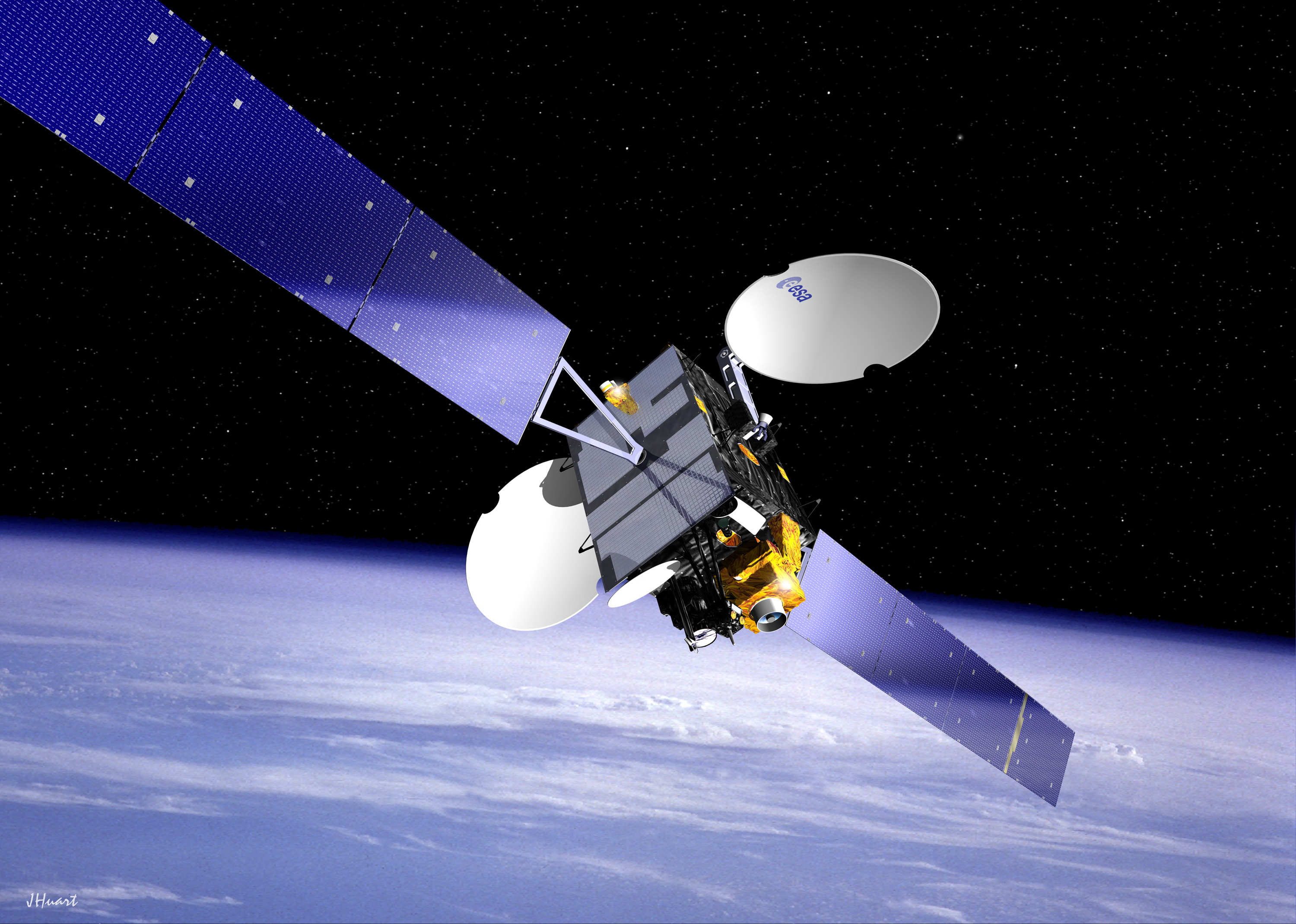
FRMCS architecture showing the next-generation radio platform designed to replace GSM-R for operational railway communications in Europe. Photo: Europe’s Rail Joint Undertaking.