

RDC takes over Berlin–Stockholm
NIGHT TRAINS: RDC Deutschland runs the Berlin–Hamburg–Stockholm night train at its own risk from 1 September, three times a week. A week earlier it joined European Sleeper’s plan for a Malmö sleeper.
SJ, the Swedish state operator, held the route on a four-year contract with infrastructure manager Trafikverket that expired on 31 July, and scheduled its final departure for 31 August.
RDC, a Hamburg-based rolling stock owner controlled by Railroad Development Corporation of Pittsburgh, owns the coaches and runs the train without public support. SJ continues to provide operational support on the Scandinavian section.
Full story: German night train company takes over Berlin–Stockholm
Go deeper:
Subsidy gone. Night train stays.
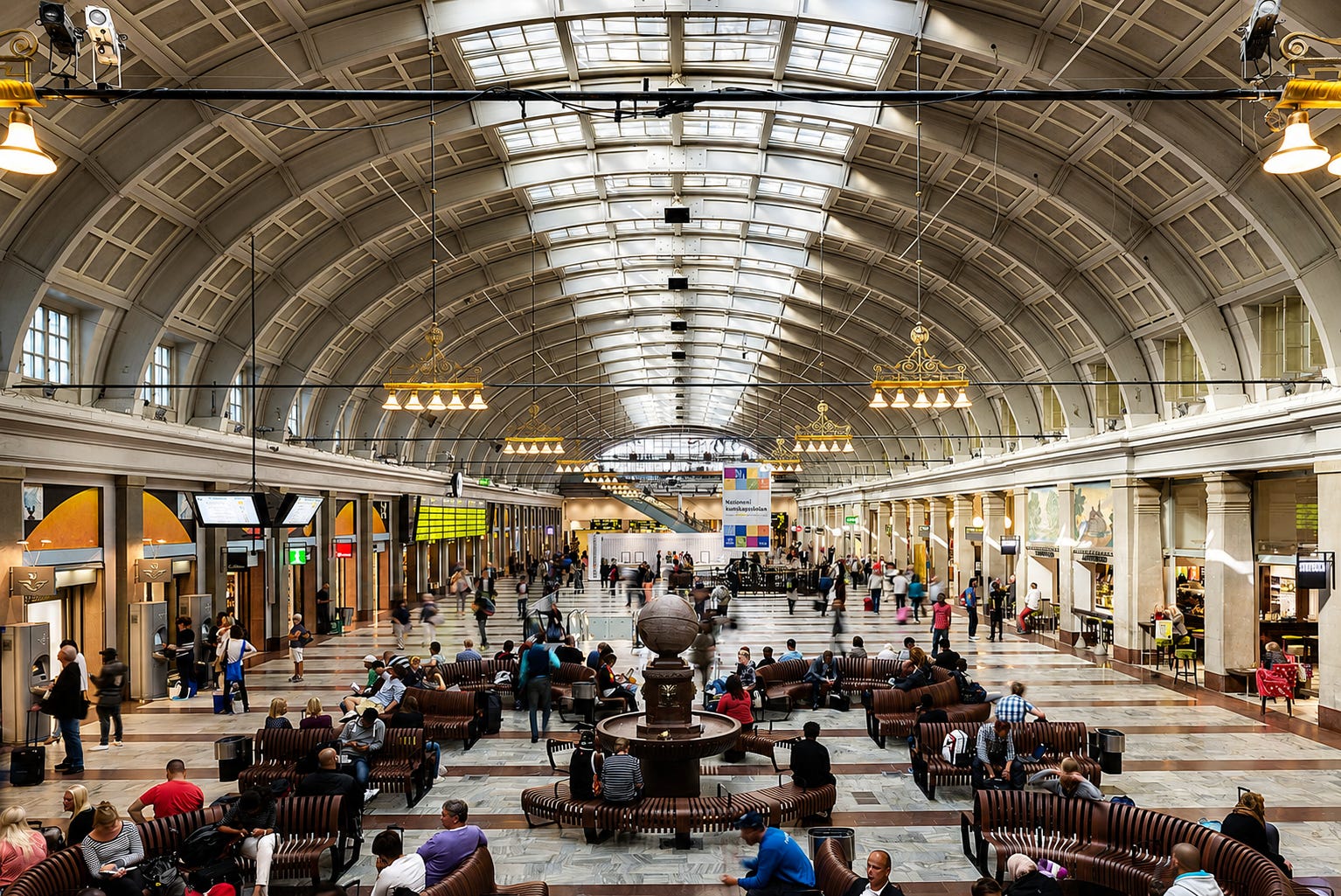
Sweden paid for four years of night train from Stockholm to the German border, and the subsidy did what such subsidies are meant to do: the train now runs on to Berlin without it.
The German company that supplied the coaches kept them, took over the route on 1 September and runs it at its own risk. The Swedish contract has expired with the train still running, and the question is who keeps what when the money stops.
A night train is two businesses. The coaches are a capital asset that few still build; the operation is a one-year revenue risk. The subsidy paid for the second and left the first with whoever owned it.
Full story: Four years of Swedish subsidy built a commercial night train
40 operators sue the regulator over EUR 400m
GERMANY: More than 40 regional passenger operators and the state of Bavaria have sued the Bundesnetzagentur over its decision to raise 2026 track access charges for regional services by 9%.
The claim was lodged on 31 August at the Cologne administrative court and coordinated by Bundesverband SchienenNahverkehr, the association of the 26 public authorities that order regional services, with all 16 federal states.
The regulator puts the extra burden on regional services at around EUR 400m for 2026 alone, to be settled directly between operators and DB InfraGO. The authorities say neither they nor the states can raise the sum.
Full story: Regional operators sue German regulator over EUR 400m bill
New trains for Madrid, old ones for Valencia
SPAIN: All 79 of Renfe’s new Stadler trains go to Madrid. What the transport ministry calls a nationwide fleet reorganisation sends Madrid’s old Civia units to Valencia, Valencia’s older 447s to the Basque Country, and nothing new to Málaga before 2028.
The ministry announced on 31 August that the first two units are running on Madrid’s C-7 line after homologation, commercial simulations and driver training.
Renfe has ordered the 79 trains from Stadler for more than EUR 1.3bn, with 17 due in 2026. They carry up to 20 per cent more passengers than the Civia fleet.
Full story: Renfe’s new fleet goes to Madrid in a national reshuffle
PKP Cargo’s rescue plan slips again, and the money is not there yet
POLAND: The country’s largest rail freight operator, two years into court-supervised restructuring, has moved the deadline for its rescue plan for the second time in two months. PKP Cargo has asked for 15 September to fix the terms it will offer creditors, and it does not yet know whether the share issue meant to pay for the deal can be sold.
The request went to the judge-commissioner on 31 August, the day the deadline expired, six days after the company signed a brokerage agreement for the share issue.
France puts second battery train in service after 20-month delay
FRANCE: France’s programme to convert five diesel railcars to battery power now has two trains in service. The second entered traffic on 31 August on Nîmes–Vauvert in Occitanie, 20 months after the target date.
The train runs three return trips a day in battery mode, and SNCF Voyageurs says the safety authority EPSF authorised the type in April 2026.
That’s The Rail Agenda for today. If you found it useful, forward it to a colleague. Sign in at therailagenda.com to read every story in full.