

Spain cuts Madrid–Seville trains until ERTMS is finished
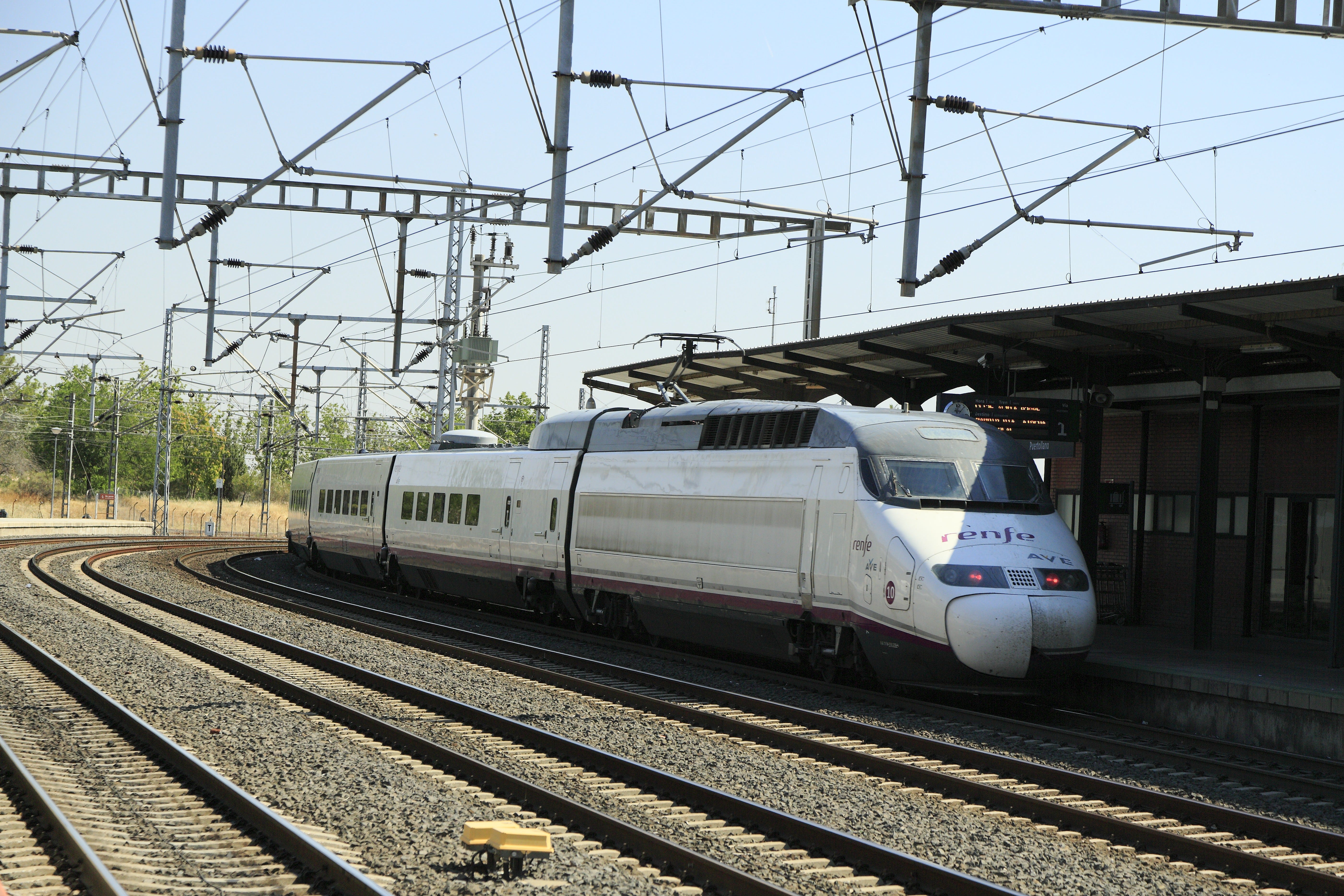
SPAIN: Spain will run fewer trains on the Madrid–Seville high-speed line until ERTMS level 2 is installed and a safety audit is complete, probably in early 2027. The signalling upgrade was due in January 2026. Renfe, Iryo and Ouigo all compete on the route.
The Council of Ministers approved the cut on 3 November as part of an eight-point safety plan for high-speed rail. The plan follows the collision of two high-speed trains near Urda, in Toledo province, on 28 October.
Adif awarded the contract to replace LZB, the German train control system the line has used since 1992, with ERTMS to Thales España in 2021. After the accident, the minister said the line was still running on LZB, which is no longer manufactured.
Óscar Puente has since stepped down as Transport Minister, and Adif chairman Luis Pedro Marco de la Peña has presented his resignation. The ministry has not said how many trains will be cut, or how the cut will be shared between Renfe, Iryo and Ouigo.
Too many trains for Germany’s tracks, so DB InfraGO may cut some
GERMANY: Germany’s rail network carries more trains than it can handle reliably, and DB InfraGO has set up an expert commission to look at cutting some of them. Rail lobby groups have already rejected a general reduction.
The commission, called “Robuster Fahrplan” (robust timetable), was due to start work in Berlin on 3 November. The first proposals are expected early in 2027.
Commission member Enak Ferlemann told Tagesspiegel that one option could be a single long-distance train an hour between Berlin and Hamburg instead of one every 30 minutes.
More than 10% of trains in 2025 ran on sections used at over 115% of their capacity, according to DB InfraGO documents for the Bundestag transport committee. Only 60% of DB’s long-distance trains arrived without a major delay that year.
Portugal’s unopened line to Spain costs Sines 50,000 containers
PORTUGAL: MSC has suspended its daily container train from the port of Sines to Seville, according to operator Medway. Around 50,000 containers a year now go through a Spanish port instead. Medway does not expect the new line to Spain to open before 2028.
Carlos Vasconcelos, chief executive of Medway, in which MSC is a shareholder, gave the details in an interview with the weekly Nascer do SOL. MSC has not commented.
The government’s 2027 budget proposal still says the line from Évora to Badajoz opens in 2027. Without it, trains from Sines to Spain make a 140 km detour.
The ministry blames theft and vandalism of equipment, and independent certification bodies that have taken longer to hire than planned. It has called it “premature” to give a new date.
Romania runs its first passenger trains under ETCS
ROMANIA: Romania’s first passenger trains under ETCS Level 2 are running on Buftea–Brazi, a section of the Bucharest–Budapest line north of the capital, Alstom said. The trains are hauled by Traxx locomotives Alstom built for the state rolling stock buyer.
All 16 locomotives ordered by the Romanian Railway Reform Authority (ARF) have now been delivered. In October, ARF chose Siemens over Alstom to supply 23 ERTMS-equipped locomotives.
That’s The Rail Agenda for today. If you found it useful, forward it to a colleague – they can read every story by signing up for free.