

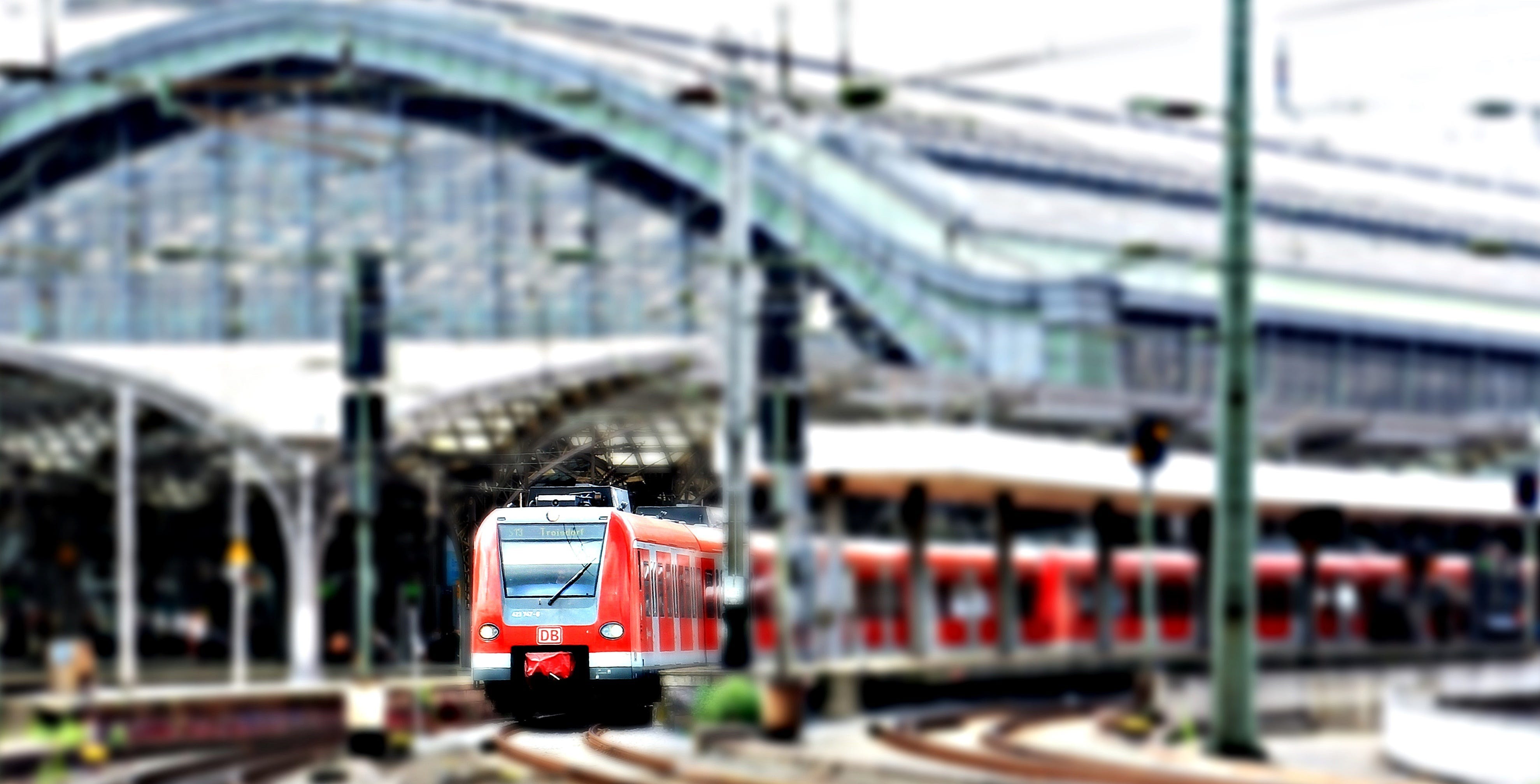
GERMANY: The European Court of Justice (CJEU) has ruled that Germany’s track access charge system violates EU law — a decision expected to trigger compensation claims from freight and long-distance passenger operators.
Germany had locked regional passenger tariffs to a fixed 1.8% annual growth rate, while figures presented to the court showed actual infrastructure costs rose 6% in 2025. Freight and intercity operators paid above-cost rates to compensate for the shortfall.
EU law requires infrastructure managers to set access charges independently of state instruction. Germany’s formula, in place since 2016, breached that principle.
The Cologne Administrative Court referred questions of EU law to the CJEU in the course of proceedings brought by DB InfraGO and DB RegioNetz Infrastruktur against the Bundesnetzagentur’s charge approvals for 2024–25.
What happens now
The ruling, delivered on 19 March, takes effect immediately. The CJEU rejected Germany’s request to limit its retroactive effect, meaning charges for both 2025 and 2026 are open to challenge.
Freight operators and long-distance carriers may now seek refunds. The German Rail Freight Association, Die Güterbahnen, estimates compensation claims could reach several hundred million EUR.
The court found that the formula’s rigidity created an imbalance between market segments, with regional passenger services benefiting from artificially stable charges while other operators absorbed the cost differential.
Reform under pressure
The Federal Transport Ministry has said it is preparing a reform, without specifying a timeline. The Railway and Transport Workers’ Union EVG has warned that inaction risks pushing up regional rail costs for passengers.
Several Länder, which co-finance regional services, have signalled concern about the financial consequences of a revised charging regime.